

Sep 03,2026
Category:Company News
Choosing a chemical storage cabinet is not simply a matter of selecting the largest cabinet available. The right solution depends on the type of chemical, its hazard characteristics, storage volume, container size, workplace environment, and applicable safety requirements.
A cabinet designed for flammable liquids, for example, should not automatically be used for corrosive acids. Different chemicals create different storage risks, so the cabinet should be selected according to the actual application.
For laboratories, manufacturing facilities, pharmaceutical plants, and chemical handling areas, several factors should be considered before purchasing a chemical storage cabinet.
The first question should always be: What will be stored inside the cabinet?
Different chemicals require different storage approaches.
| Chemical Type | Common Storage Solution |
|---|---|
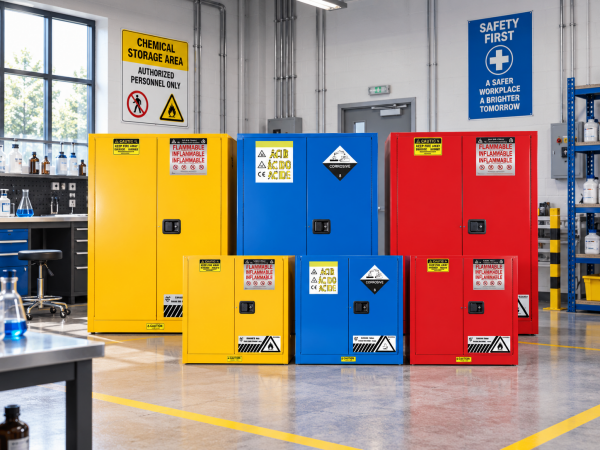
| Flammable liquids | Flammable Storage Cabinet |
| Corrosive acids | Corrosive Chemical Cabinet |
| Alkalis | Corrosive Storage Cabinet |
| Laboratory reagents | Chemical Storage Cabinet |
| Solvents | Flammable Storage Cabinet |
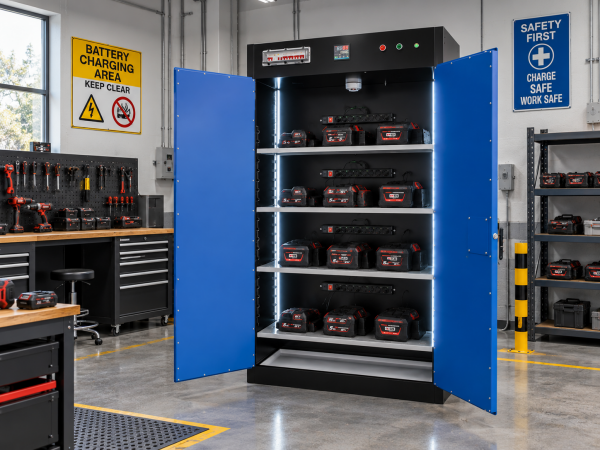
| Lithium-ion batteries | Battery Safety Cabinet |
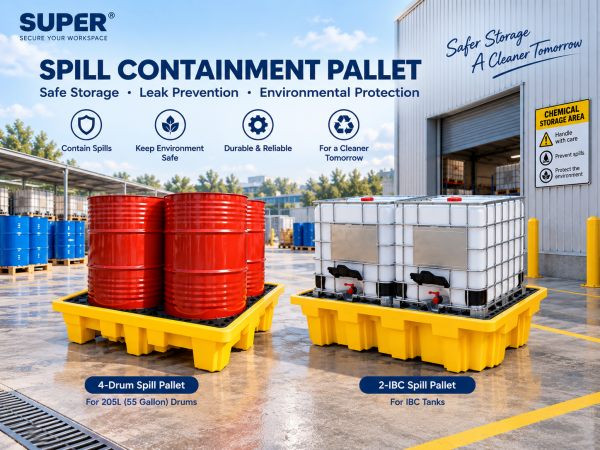
| Large-volume chemicals | Outdoor Hazardous Storage Unit |
| IBC containers | IBC Storage / Spill Containment System |
The cabinet should be selected according to the chemical's properties rather than simply its container size.
Flammable liquids create a different risk profile from general laboratory chemicals.
When selecting a flammable liquid storage cabinet, buyers should consider:
Fire-resistant construction
Double-wall cabinet structure
Spill containment
Self-closing doors
Ventilation requirements
Grounding
Locking system
Internal storage capacity
For applications involving solvents, paints, coatings, or other flammable liquids, a dedicated flammable storage cabinet provides a more appropriate storage arrangement than a standard steel cabinet.
Acids and alkalis can gradually damage unsuitable cabinet materials.
Therefore, corrosion resistance should be considered alongside cabinet capacity.
Important factors include:
Cabinet construction material
Chemical compatibility
Shelf material
Spill containment
Surface protection
Separation of incompatible substances
For highly corrosive environments, material selection can have a direct impact on cabinet service life.
This is one reason why a standard steel cabinet should not automatically be treated as suitable for every chemical.
For facilities handling flammable liquids, fire resistance can become an important part of the purchasing decision.
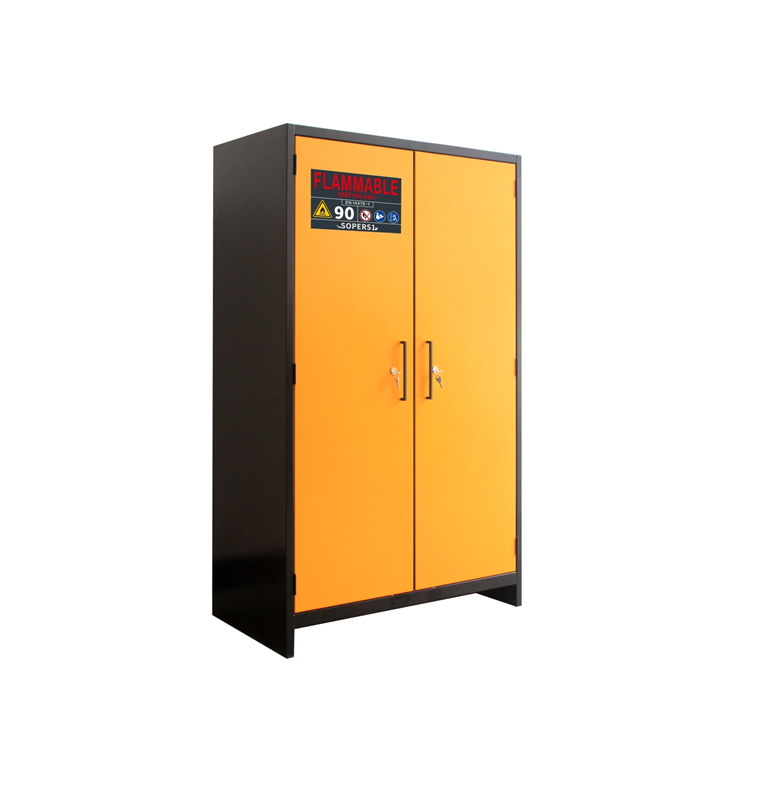
An EN 14470-1 fire-resistant safety cabinet is designed specifically for professional storage applications involving flammable substances.
The appropriate cabinet should be selected according to:
Chemical type
Quantity stored
Workplace environment
Fire protection strategy
Local regulatory requirements
Required documentation
Applicable testing or certification
For European projects, buyers should confirm exactly which standard and fire-resistance classification applies to their application rather than relying only on a general product description.
Bigger is not always better.
A cabinet that is unnecessarily large may occupy valuable floor space, while an undersized cabinet can create poor storage practices.
Before ordering, buyers should calculate:
Number of containers
Container dimensions
Total chemical volume
Shelf loading requirements
Required separation
Future storage demand
For example, a laboratory may only need a compact cabinet, while a manufacturing facility handling drums or larger chemical containers may require a substantially different storage solution.
The location of the storage area is another important consideration.
An indoor safety cabinet may be suitable for:
Laboratories
Workshops
Small production areas
Maintenance rooms
Chemical preparation areas
An outdoor hazardous storage unit may be more appropriate when the project involves:
Large chemical inventories
Drums
IBC containers
Dedicated chemical storage areas
Outdoor installation
Production facilities with limited indoor space
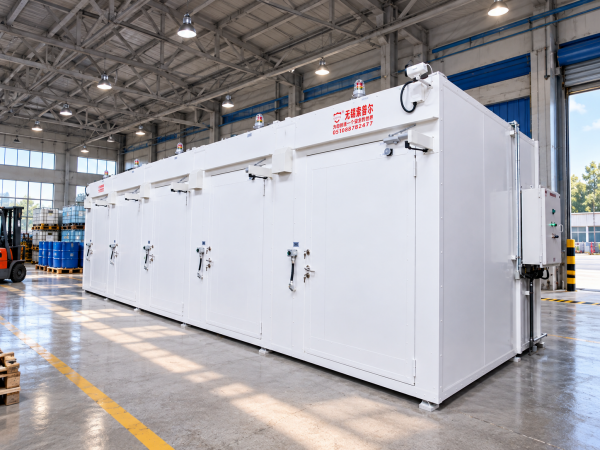
Large outdoor systems can also incorporate ventilation, electrical systems, spill containment, temperature control, and other project-specific functions.
SUPER's existing outdoor storage projects demonstrate this type of customized approach.
The lowest purchase price does not necessarily represent the lowest overall cost.
Buyers should compare:
Material quality
Cabinet construction
Fire protection
Spill containment
Shelf loading
Hardware
Certification
Test documentation
Customization
After-sales support
A technically suitable cabinet can reduce problems during installation and daily operation.
Before contacting a supplier, prepare the following information:
Chemical type → Container type → Quantity → Storage location → Required dimensions → Applicable standard → Special functions → Documentation
Providing this information allows the manufacturer to recommend a more suitable solution and reduces unnecessary communication during the quotation stage.
Selecting a chemical storage cabinet should begin with the hazard characteristics of the material rather than the appearance or price of the cabinet.
Flammable liquids, corrosive chemicals, laboratory reagents, lithium-ion batteries, drums, and IBC containers can require very different storage solutions.
A good purchasing decision therefore considers chemical compatibility, fire protection, storage capacity, installation environment, applicable standards, and documentation together.
For companies purchasing chemical storage equipment, taking time to define these requirements before ordering can make the final solution safer, more practical, and easier to manage.

+86 18061900446 /+86 510-88784568
Wuxi Shuangqiao Industrial Park, Xishan Dist., Wuxi city, Jiangsu province.