

Jun 15,2026
Category:Company News
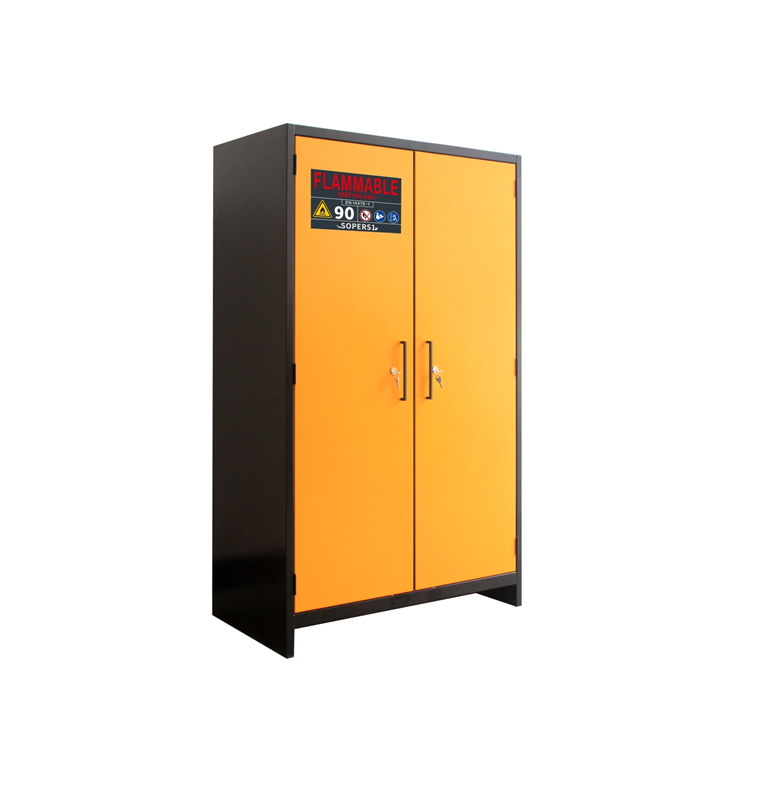
In chemical manufacturing, laboratory management, and hazardous material storage systems, a chemical storage cabinet must meet multiple requirements including corrosion resistance, leak prevention, and ventilation control.
Standard cabinets often face limitations under conditions such as:
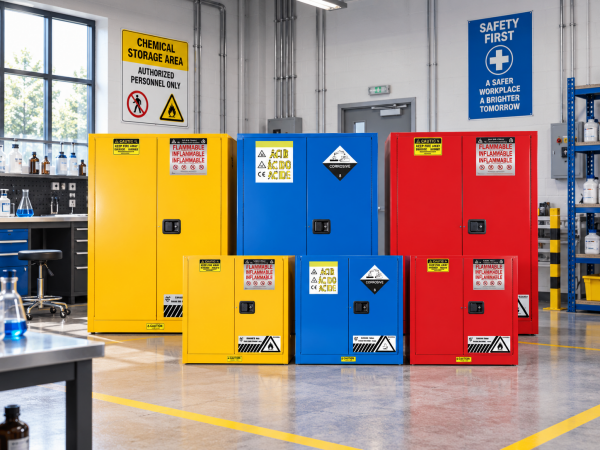
Mixed storage of flammable, corrosive, and oxidizing chemicals
High-humidity or highly corrosive environments
Non-standard installation space constraints
Regulatory upgrades (OSHA / NFPA compliance requirements)
As a result, stainless steel chemical storage cabinets are increasingly evolving toward engineered custom-built systems.
Industrial-grade cabinets are typically constructed from 304 or 316L stainless steel, selected based on chemical exposure levels.
Material grade: SS304 / SS316L
Fully welded sealed construction
Industrial brushed or sanitary-grade polished finish
Single-unit or modular cabinet structure
Reinforced shelving for heavy chemical containers
This structure supports continuous operation in demanding industrial environments.
A hazardous chemical storage cabinet must prioritize safety engineering rather than only storage functionality.
Ventilation port integration for vapor control
Zoned storage separation for chemical classification
Fire-resistant structural configuration
Secure locking and access control systems
These designs align with industrial safety frameworks such as NFPA 30 and OSHA 1910.106.
The value of a custom stainless steel storage cabinet lies in its ability to adapt to specific industrial conditions.
Adjustable height, width, and depth
Adaptation to production line layouts
Multi-cabinet configurations
Exhaust ventilation ports
Spill containment trays
Inspection windows
Electronic locking systems
Multi-cabinet array systems
Central ventilation system connection
Automation line integration
Fixed or mobile base structures
This transforms the cabinet into an industrial casework system.
Stainless steel chemical storage cabinets are widely used in:
Chemical manufacturing and hazardous storage
Pharmaceutical and biotechnology laboratories
Electronics manufacturing facilities
R&D centers for advanced materials
Surface treatment and cleaning industries
Key engineering considerations include:
Load distribution and shelf deflection control
Airflow optimization and ventilation path design
Thermal accumulation management
Long-term corrosion resistance performance
These factors directly influence operational stability and service life.
Custom stainless steel chemical storage cabinets are evolving from standardized equipment into engineered safety systems for complex industrial environments.
Key trends include:
Higher compliance-driven safety design
Stronger modular system integration
Improved material and structural optimization
Greater customization flexibility
They are becoming essential infrastructure in chemical, pharmaceutical, and advanced manufacturing industries.

+86 18061900446 /+86 510-88784568
Wuxi Shuangqiao Industrial Park, Xishan Dist., Wuxi city, Jiangsu province.